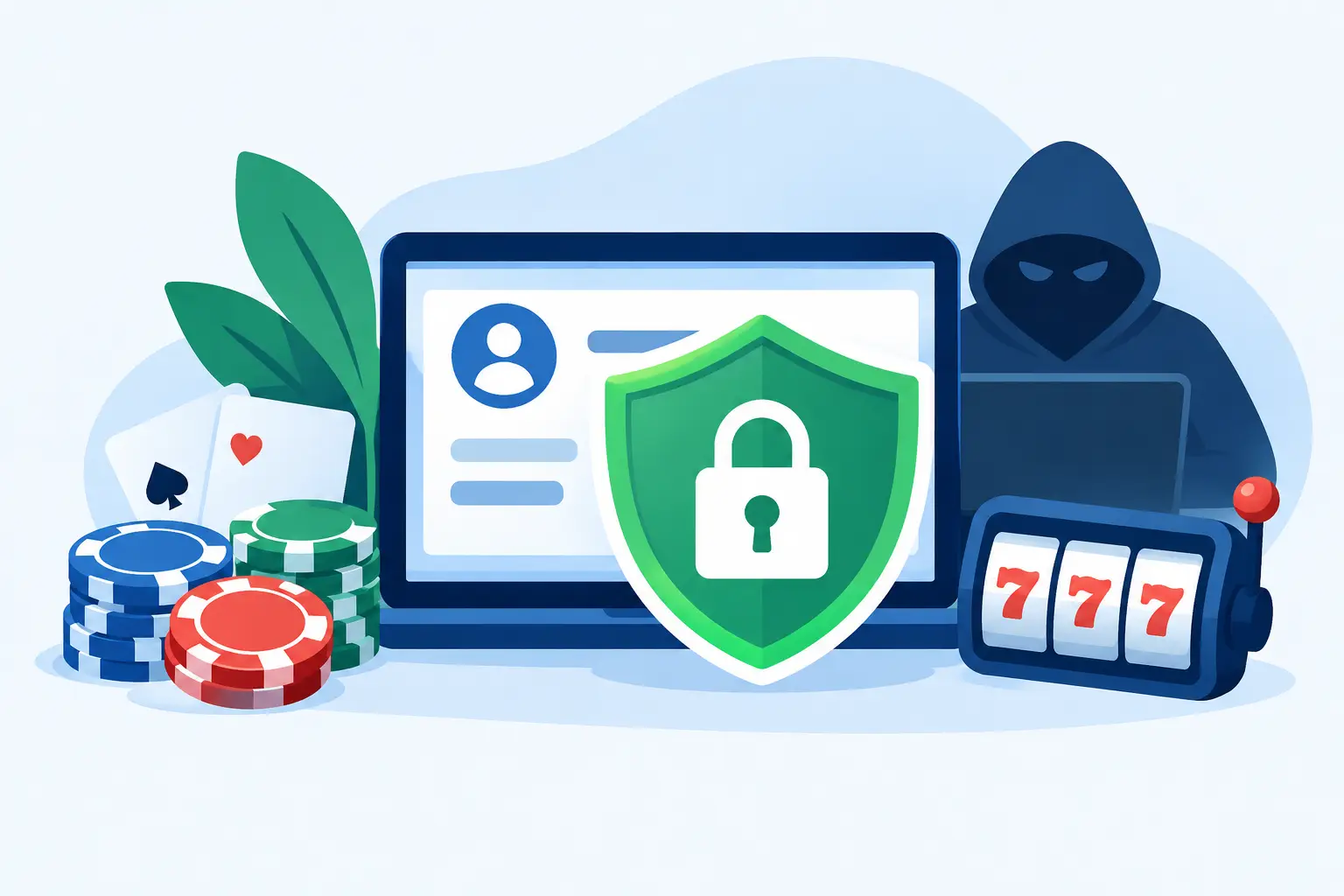
A gambling account can hold more than a game history. It may contain your contact details, payment methods, verification records, bonus status, and withdrawal information. Learning how to secure a gambling account means protecting all of it, not simply choosing a password you can remember.
Account security is especially important for mobile-first players, where quick logins, promotional messages, and payment notifications can make it easy to miss a warning sign. Use only verified access routes, review every transaction, and treat unexpected messages about your account with caution.
Start With the Official Platform and Login Page
Many account compromises begin before a player enters a password. A copied website, sponsored-looking social post, or message claiming that a withdrawal is pending can lead to a fake login screen designed to collect your details.
Access your account only through the official platform address or the verified app channel provided by the operator. Save the confirmed address as a bookmark rather than searching for it every time. This reduces the risk of clicking an imitation result, typo-filled domain, or unofficial access link.
Be skeptical of messages that create urgency. A claim that your account will be suspended within minutes, that you have won a surprise reward, or that you must verify a deposit immediately is often meant to rush your decision. A legitimate platform may contact you about account activity, but it should not ask you to send your password, one-time code, or full payment credentials through a chat message.
At Play88, or any platform you choose to use, confirm that support instructions and promotional announcements come from official channels before responding. If there is doubt, open the platform yourself and contact support from inside your account rather than replying to the message.
Use a Password Built for One Account Only
Reusing a password is one of the fastest ways to turn a breach elsewhere into a gambling-account takeover. If the same email and password were exposed through an old shopping site, game forum, or social account, criminals may try those details automatically across gambling platforms.
Create a password that is unique to this account and difficult to guess. Length matters more than clever substitutions. A passphrase made from several unrelated words is usually easier to remember and harder to crack than a short password with predictable symbols.
Avoid names, birthdays, favorite teams, phone numbers, and anything visible on your social media profiles. Do not use a variation of your username, either. If remembering unique passwords is difficult, use a reputable password manager protected by its own strong master password and device lock.
Change your password immediately if you receive an unfamiliar login alert, notice a changed profile detail, or accidentally enter it on a page you later suspect was fake. You do not need to change a strong password every week without cause, but you should act quickly when there is a credible security concern.
Turn On Two-Factor Authentication
Two-factor authentication, often called 2FA, adds a second check after your password. Depending on the platform, this may be an authenticator-app code, a text message code, an email confirmation, or an approval prompt. It is one of the most useful controls against unauthorized access.
An authenticator app is generally preferable when available because text messages can be exposed through SIM-swap fraud or intercepted if your phone number is compromised. That said, SMS verification is still better than relying on a password alone. The right option depends on what the platform supports and what you can manage reliably.
Keep recovery codes in a safe place that is separate from your phone. Do not save them in an unprotected screenshot gallery or send them to yourself through a shared messaging account. If you replace your phone, update your security settings before wiping or giving away the old device.
Never share a one-time verification code. Support agents do not need it to help you. Anyone asking for that code is attempting to get past your second security layer.
Protect the Email and Phone Number Behind Your Account
Your gambling account is only as secure as the email address and phone number used to recover it. If someone gains control of your email inbox, they may reset passwords, approve login notifications, and hide security messages before you see them.
Use a unique password and two-factor authentication on your email account as well. Review its recovery email address, recovery phone number, and signed-in devices. Remove any device you no longer use, especially if you have sold, lost, or shared it.
For your mobile number, add a carrier PIN or port-out protection if your provider offers it. This can make it harder for someone to transfer your number to another SIM card and receive your security codes. Be cautious about posting your number publicly or using it in social media giveaways.
Keep Deposits and Withdrawals Under Review
Payment security is not only about preventing an unauthorized deposit. It is also about catching changes that could redirect a withdrawal or expose your financial details.
Review your transaction history regularly, including small amounts. Fraudsters sometimes test a payment method with a low-value transaction before attempting something larger. Check that the deposit method and withdrawal destination shown in your account are familiar, and investigate any new saved payment detail immediately.
Use payment methods registered in your own name where required. This supports verification checks and helps avoid withdrawal delays caused by mismatched ownership details. Never send money to an individual who claims they can “activate” a withdrawal, clear a balance, sell a guaranteed betting tip, or recover a locked account.
Before accepting a promotion, read the complete terms. Wagering requirements, eligible games, maximum bet rules, expiry dates, and withdrawal conditions may apply. Understanding these conditions will not only help you play more responsibly, but also make it easier to recognize a false claim that a payment or bonus needs an unusual fee.
Secure the Device You Use to Play
A strong password offers less protection when your phone or computer is already exposed. Set a screen lock using a PIN, biometric lock, or strong device password. Install system and browser updates promptly because they often address known security weaknesses.
Avoid signing in on public computers or shared tablets. If you must use a device that is not yours, do not save the password, do not allow the browser to remember your login, and sign out fully when finished. Private browsing can reduce locally stored browsing data, but it does not make an unsafe device trustworthy.
Public Wi-Fi requires extra care. Do not make deposits, change security settings, or submit identity documents through an open network. Use a trusted mobile connection or a secured network whenever possible. Also avoid unofficial browser extensions, modified apps, and software that promises betting advantages. These can collect login data or interfere with your session.
Watch for the Signs of Account Takeover
Fast action matters when something feels wrong. Warning signs include password-reset emails you did not request, unfamiliar login alerts, changed contact details, new payment methods, missing funds, or a withdrawal you did not initiate.
If you see any of these signs, change your password from a trusted device, end active sessions if that setting is available, and contact official support immediately. Explain what you noticed, when it happened, and whether you clicked a suspicious link. Check your email account and payment provider as well, since the issue may extend beyond the gambling platform.
Do not try to resolve an account dispute through an unofficial social media profile, Telegram group, or direct message. Preserve screenshots of suspicious emails, transactions, and alerts, but do not post personal account information publicly.
Keep Security Part of Responsible Play
Security and responsible participation support each other. Set a spending limit that fits your budget, keep your account details private, and review activity often enough to notice a problem early. Never chase losses or treat a bonus, VIP benefit, or winning streak as a guarantee of future results.
A few minutes spent confirming the official login page, checking a withdrawal destination, and protecting your recovery email can prevent a far more difficult problem later. Play only where lawful and eligible, and pause account activity if you need time to reassess your security or spending.