
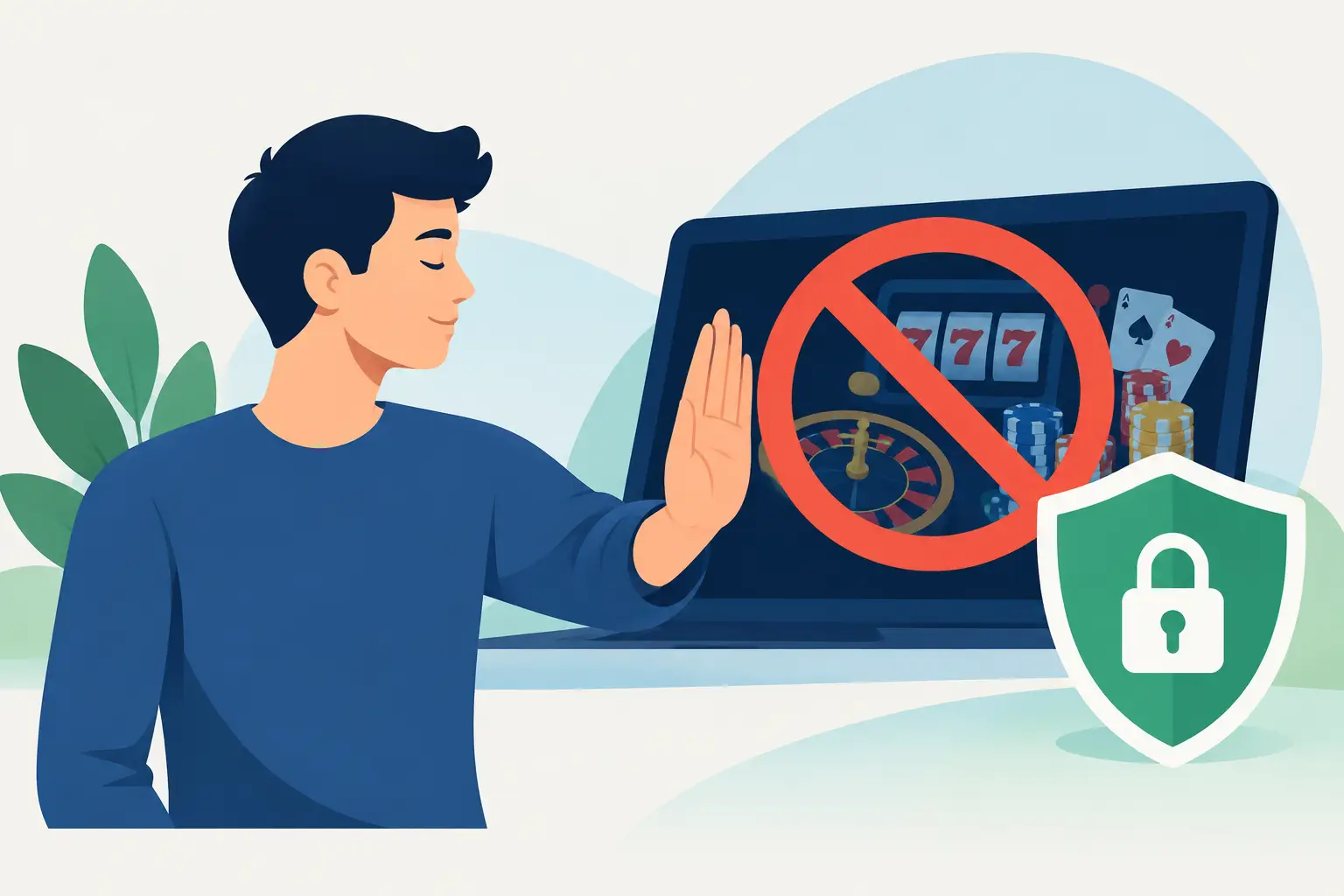
A self-exclusion request is not a loss limit or a temporary pause button. It is a formal instruction to stop an operator, and sometimes multiple licensed operators, from letting you gamble for a defined period. Understanding how casino self exclusion works helps you choose the right level of protection before a difficult moment turns into a costly one.
For players who feel gambling is taking too much time, money, or mental space, self-exclusion can create a clear barrier between an impulse and an active account. It works best when it is treated as one part of a wider plan that includes payment controls, support from someone you trust, and honest review of your spending.
How Casino Self Exclusion Works
Casino self-exclusion is a voluntary program that restricts a player’s ability to access gambling services. You usually submit the request through an account’s responsible gaming section or through customer support. Depending on the operator and local rules, you may select a fixed period, such as six months, one year, or several years. Some programs also offer indefinite exclusion.
Once the request is processed, the casino should block you from logging in, depositing, placing bets, or opening new accounts with the same verified details. The operator may also remove you from marketing lists, including bonus messages and promotional notifications. Policies differ, so review the complete self-exclusion terms before confirming your request.
A key distinction matters here: a short cooling-off period and self-exclusion are not the same. A cooling-off period is generally a brief break, often lasting hours, days, or weeks. Self-exclusion is intended for a longer interruption and may involve stricter reinstatement rules.
Operator exclusion versus wider exclusion schemes
An exclusion can apply only to one casino brand, or it can apply more broadly through a regulator-run or industry-wide scheme. The scope depends on where you live and where the gambling service is licensed.
If you exclude yourself directly through one casino, that request may only block your account on that specific platform and related brands under the same operating group. It may not stop access to unrelated sites. A centralized scheme, where available, can offer wider coverage across participating operators.
Do not assume that one request covers every gambling account you hold. Check the stated coverage, ask support if the policy is unclear, and take separate action with other services where needed. This is especially relevant for players who use casino games, sports wagering, and fast-play products across more than one account.
What Happens After You Submit a Request
The exact timeline varies. Some restrictions begin immediately after confirmation, while others require account verification or manual processing. Save the confirmation email or reference number, along with the selected duration and the date the exclusion begins.
During the exclusion period, you should expect your account to be unavailable for gambling activity. In many cases, attempts to sign in or deposit will be declined. If an operator identifies another account connected to the same name, email address, phone number, payment method, or identity documents, it may also restrict that account.
Account balances are handled under the operator’s stated terms and applicable rules. A self-exclusion does not automatically mean that funds disappear, but withdrawal access and verification steps can vary. Contact official support through verified channels to ask how an available balance, pending withdrawal, unsettled bet, or active bonus will be treated. Do not rely on unofficial messages or third parties claiming they can restore access.
Bonuses and loyalty benefits generally do not continue during exclusion. That includes VIP offers, reload rewards, cashback campaigns, and seasonal promotions. Those benefits are not a reason to delay a safety decision. No bonus guarantees a win, and gambling while under financial or emotional pressure can make losses harder to manage.
Can you reverse self-exclusion early?
Usually, no. The purpose of self-exclusion is weakened if it can be canceled in the middle of an urge to gamble. Many programs will not reactivate an account until the agreed period has ended. Others require a formal request, a waiting period, and a responsible gaming review before access is restored.
Even after the period ends, reactivation may not be automatic. You may need to confirm your identity, acknowledge responsible gaming information, and complete an account review. An operator can also decline to reopen an account where there are ongoing concerns about safer play.
Think carefully about the duration you choose. A longer period can feel restrictive at first, but it may provide more room to stabilize finances and routines. If you are unsure, choose the option that gives you meaningful protection rather than the shortest option that feels easier to accept.
Steps to Take Before Self-Excluding
Self-exclusion is more effective when you prepare for the gaps it leaves behind. Before submitting the request, record any information you may need for legitimate account administration, such as a pending withdrawal reference or customer support case number. Then remove easy paths back to gambling.
Consider these practical safeguards:
- Delete gambling apps, saved bookmarks, and stored passwords from your devices.
- Ask your bank, card provider, or e-wallet provider whether gambling transaction blocks are available.
- Unsubscribe from marketing where possible and block promotional messages from gambling accounts.
- Tell a trusted friend, partner, or family member about the decision, especially if they can help you stay accountable.
- Review recurring payments and set a realistic budget for essentials, debt payments, and savings.
These steps do not replace self-exclusion. They reduce the chance that you will simply move to another service when access to one account is blocked.
When Self-Exclusion May Be the Right Choice
There is no single test that applies to every player. However, self-exclusion is worth considering if gambling has become difficult to control, if you repeatedly exceed your intended deposit limit, or if you are trying to recover losses by betting more. It can also help when gambling is affecting sleep, work, relationships, bills, or your ability to focus on everyday responsibilities.
You do not need to wait for a crisis. A player who notices early warning signs can use self-exclusion as a preventive decision. If a full exclusion feels disproportionate, start by checking whether deposit limits, loss limits, session reminders, or a cooling-off period address the problem. But be honest about whether those tools have worked for you before.
A limit depends on you respecting it before the pressure rises. Self-exclusion adds an operator-enforced barrier when personal limits are no longer enough.
Protect Your Account and Your Privacy
Only submit a self-exclusion request through the official casino website, verified app, or confirmed customer support channel. Fraudsters may use fake support profiles or copycat pages to collect passwords, identity documents, and payment details. Never share one-time verification codes, banking passwords, or full card credentials with anyone claiming they can process an exclusion for you.
If you use a platform such as Play88, use only official access channels and contact its designated support team for account-specific guidance. Keep records of your request, but do not share screenshots containing personal account information in public chats or social media posts.
Self-exclusion is a personal safety measure, not a punishment and not a statement about willpower. The strongest next step is often simple: make the request through an official channel, put practical money controls around it, and give yourself the time and support to focus on what comes next.