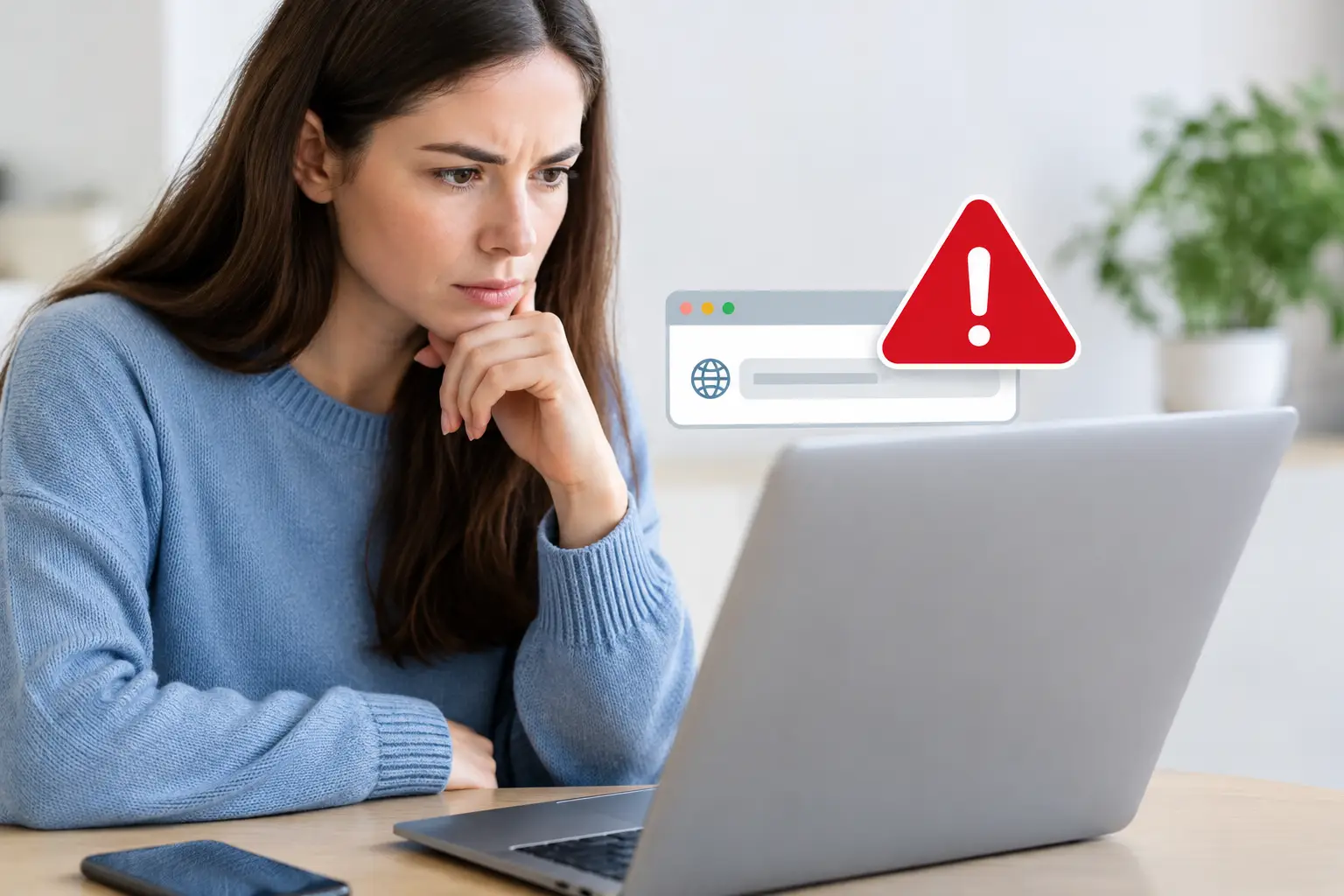
A login page can look polished, load quickly, and use familiar game imagery – while its web address tells a completely different story. That is why fake domain warning examples matter for Play88 users. Before entering a username, password, verification code, or payment detail, take a few seconds to confirm that you reached the official access point.
A fake domain is designed to borrow trust. It may copy a recognizable layout, use urgent messages about account access, or promote a reward that seems unusually generous. The goal is usually simple: get a user to sign in, share sensitive information, or send money through an unverified channel. A careful domain check is one of the strongest first steps in protecting your account.
Fake Domain Warning Examples and What They Mean
A domain is the core website address shown in the browser. Scammers often create addresses that appear close to the real brand name at a glance. The differences are usually small, which is exactly why they can be missed on a mobile screen.
One common example is an added word. A suspicious address may include terms such as “login,” “support,” “bonus,” “vip,” or “secure” next to a brand name. Those words can make the address feel official, but they do not prove anything. Official access instructions should come from verified Play88 communications, not from an unexpected search result, social post, or direct message.
Another warning sign is a misspelled name. A scam site may switch one letter, repeat a character, or replace a letter with a similar-looking number. The visual difference can be easy to overlook, especially when a user is rushing to check a promotion or access a game.
Be alert for extra punctuation and unusual subdomains as well. The important part of an address is not always the first word you see. A page can place a familiar brand term at the beginning while the actual registered domain at the end belongs to an unrelated party. Read the full address from right to left before trusting it.
A fourth example is an unfamiliar domain ending. A different ending does not automatically mean a site is fraudulent, but it should trigger verification when it does not match the official access information you have been given. Do not rely on appearance alone.
Finally, treat a random-looking web address as a stop sign when it claims to be an account portal. Long strings of letters, numbers, or unrelated words may be used in temporary phishing pages. A legitimate service should not need to pressure you into signing in through an address you cannot recognize or verify.
Why a Padlock Icon Is Not Enough
Many users look for the padlock symbol in the browser bar. It is sensible to check, but it is not a complete security test. The padlock generally shows that the connection between your browser and that specific site is encrypted. It does not confirm that the operator behind the site is legitimate.
A fake page can also use encryption. That means the more useful question is: “Is this the verified domain I intended to visit?” Check the entire address, compare it with official Play88 access guidance, and avoid using links sent by strangers or accounts you cannot independently confirm.
On mobile, browser bars may shorten an address. Tap the address bar to expand it before signing in. This is a small habit with a meaningful payoff, particularly when moving quickly between messages, search results, and gaming pages.
Warning Signs Beyond the Address Bar
Fake domains rarely depend on one tactic. They often pair a suspicious address with messaging meant to create urgency. A notice claiming that your account will be closed immediately, a request to “verify” your password, or a promotion that requires instant action should make you pause.
Pay attention to the quality of the page. Broken buttons, inconsistent language, odd spacing, and outdated promotion details can all be signs that a page was copied rather than maintained by the official platform. However, a convincing design is not proof of safety. A well-made imitation still needs to pass the domain check.
Payment instructions deserve extra caution. Do not send funds to a personal account, share card details through chat, or follow payment directions that differ from the verified Play88 payment guidance. Before making a deposit or withdrawal request, review the official payment options and complete terms shown through verified access.
Customer support is another frequent target. A fake support account may ask for your password, one-time code, bank information, or remote access to your device. Legitimate support should not need your password or a one-time authentication code to assist with a standard account question. If a request feels unusual, stop the conversation and use the verified support route.
A Safe Way to Verify Access
The safest approach is to start from a source you already trust. Save the verified official Play88 access point in your browser once you have confirmed it. Then use that saved entry instead of following links in advertisements, forwarded messages, or unfamiliar social media posts.
When you need to verify a page, use this short process:
- Check the complete domain, including spelling, punctuation, and ending.
- Compare the address with the official access information you have saved or received through verified channels.
- Confirm that the page does not ask for unusual account, payment, or security details.
- Review promotions, rewards, and VIP offers against the current official terms before taking action.
- If anything does not match, leave the page without logging in.
This process is especially useful when a campaign is active. Fraudulent pages often imitate time-sensitive rewards because users are more likely to skip normal checks. A genuine offer should still have clear eligibility, expiry, game contribution, wagering, betting limit, and withdrawal conditions where applicable. Do not treat a promotion as confirmed simply because it appears on a page that resembles the platform.
What to Do If You Already Used a Suspicious Site
If you entered your Play88 login details on a site you now question, act calmly and promptly. First, stop using that page. Access your account only through the verified official route and change your password if you can still sign in. Choose a new password that is unique and not reused for email, banking, or other services.
Next, review recent account activity, including login notifications, payment records, and withdrawal requests. Report anything unfamiliar through official customer support. If you shared a payment credential or banking detail, contact the relevant financial provider using its independently verified contact method. Do not call a number supplied by the suspicious page.
Keep screenshots of the suspicious address, messages, and transaction prompts if available. These details can help support teams understand what occurred. Do not continue engaging with the sender to “confirm” whether the page is real. Scammers may use that conversation to request more information.
If you reuse passwords, update the affected accounts as well. Password reuse turns one compromised login into a wider security problem. Consider using a reputable password manager to generate and store distinct passwords, and enable available account security protections.
Protect the Account, Not Just the Login
Domain verification is one part of safer participation. Use a password you do not share, keep your device and browser updated, and avoid signing in through public or unsecured Wi-Fi when handling account or payment activity. Lock your phone with a passcode or biometric protection, particularly if browser sessions remain active.
It also helps to keep your gaming activity deliberate. Review promotion terms before joining, set personal spending and time limits, and never chase losses. Entertainment should remain within limits you can manage comfortably. Account security and responsible gaming work together because both depend on pausing before acting under pressure.
The most useful habit is simple: when a page asks for access, payment, or personal information, verify the domain first. A few careful seconds can protect your Play88 account, your payment details, and your peace of mind.